The Role of Dental Lab Curing Light Unit in Fabricating Indirect Composite Restorations
In the evolving world of dental care, advanced technology plays a crucial role in enhancing both the efficiency and quality of dental services. One such innovation is the fabrication of indirect composite restorations in the dental office using a laboratory curing unit. This process not only improves the precision and durability of dental restorations but also streamlines the workflow for dental technicians.
Introduction
In modern dentistry, the demand for high-quality, durable, and aesthetically pleasing restorations is ever-increasing. Indirect composite restorations have become a popular choice for many dental professionals due to their strength, durability, and natural appearance. The use of a dental lab curing light unit is essential in this process, ensuring that the restorations are cured properly and efficiently.
Indirect composite restorations offer numerous benefits over traditional direct restorations. They provide superior strength and durability, making them ideal for large cavities, fractured teeth, and significant structural damage. Additionally, indirect composites can be fabricated to closely match the natural appearance of a patient’s teeth, making them an excellent choice for aesthetic enhancements.
The process of fabricating indirect composite restorations involves several steps, each crucial for achieving the best results. From tooth preparation to the final curing process, each step plays a vital role in ensuring that the restoration is both functional and aesthetically pleasing.
When Indirect Composite Restorations Are Needed
Indirect composite restorations are typically used in cases where direct restorations are not sufficient. Here are some scenarios where indirect composite restorations are necessary:
- Large Cavities: When the cavity is too large for a direct filling, an indirect composite restoration is often the best option. Large cavities can compromise the structural integrity of the tooth, making it necessary to use a more durable material like composite resin.
- Fractured Teeth: For teeth that are fractured or have significant structural damage, indirect composites provide the necessary strength and durability. Fractured teeth often require more extensive restoration to ensure that they can withstand the forces of chewing and biting.
- Aesthetic Enhancements: When a patient requires a restoration that closely matches the natural appearance of their teeth, indirect composites are an excellent choice. The ability to layer and shape composite materials allows for a more natural and aesthetically pleasing result.
- Worn Teeth: Teeth that are significantly worn down can benefit from the added strength and durability of indirect composite restorations. Worn teeth can be the result of bruxism (teeth grinding), erosion, or other factors that cause the tooth structure to wear away over time.
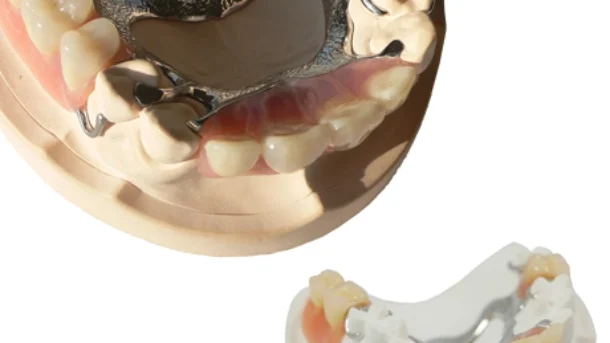
- Onlays and Inlays: These types of restorations are often used when a significant portion of the tooth structure is missing but a full crown is not necessary. Onlays and inlays provide a more conservative approach to restoring the tooth while still offering the strength and durability needed for long-term success.
Procedure/Workflow for Fabricating Indirect Composite Restorations
The procedure for fabricating indirect composite restorations involves several steps, each crucial for achieving the best results. Here’s a detailed look at the workflow:
Step 1: Preparation
Tooth Preparation:
- The tooth is prepared by removing any decayed or damaged tissue. This step is crucial for ensuring that the restoration will fit properly and provide the necessary support to the remaining tooth structure.
- The tooth is then shaped to accommodate the indirect restoration. This involves creating a precise margin and ensuring that the tooth is ready to receive the restoration.
Impression Taking:
- An impression of the prepared tooth is taken using a digital scanner or traditional impression materials. Digital scanners offer the advantage of creating a highly accurate digital model of the tooth, which can be used for the fabrication process.
- Traditional impression materials, such as silicone or alginate, can also be used to create a physical model of the prepared tooth.
Step 2: Fabrication
Model Creation:
- A model of the prepared tooth is created using the impression. This model serves as the foundation for the fabrication of the indirect restoration.
- The model is used to create a precise replica of the prepared tooth, allowing the dental technician to fabricate the restoration with accuracy.
Restoration Fabrication:
- The indirect composite restoration is fabricated on the model using composite resin materials. This process involves layering the composite material to build up the restoration.
- Each layer of composite material is carefully applied and shaped to ensure that the final restoration is both functional and aesthetically pleasing.
Step 3: Curing
Initial Curing:
- The fabricated restoration is initially cured using a dental lab curing light unit. This step ensures that the composite material is partially set and can be further refined.
- Initial curing allows the dental technician to make any necessary adjustments to the shape and fit of the restoration before the final curing process.
Final Curing:
- Once the restoration is refined and fitted, it is placed in the dental lab curing light unit for final curing. This step ensures that the composite material is fully set and achieves its maximum strength and durability.
- The final curing process is critical for ensuring that the restoration is strong and durable, able to withstand the forces of chewing and biting.
Step 4: Fitting and Adjustment
Fitting:
- The cured restoration is fitted to the prepared tooth to ensure a proper fit. This step involves checking the margins, occlusion, and overall fit of the restoration.
- Any necessary adjustments are made to ensure that the restoration fits perfectly and is comfortable for the patient.
Adjustments:
- The restoration is checked for proper occlusion and fit. Any areas that require adjustment are identified and corrected.
- The restoration is then polished to achieve a smooth and natural appearance.
Advantages of Triple-Wavelength Dental Lab Curing Light Unit
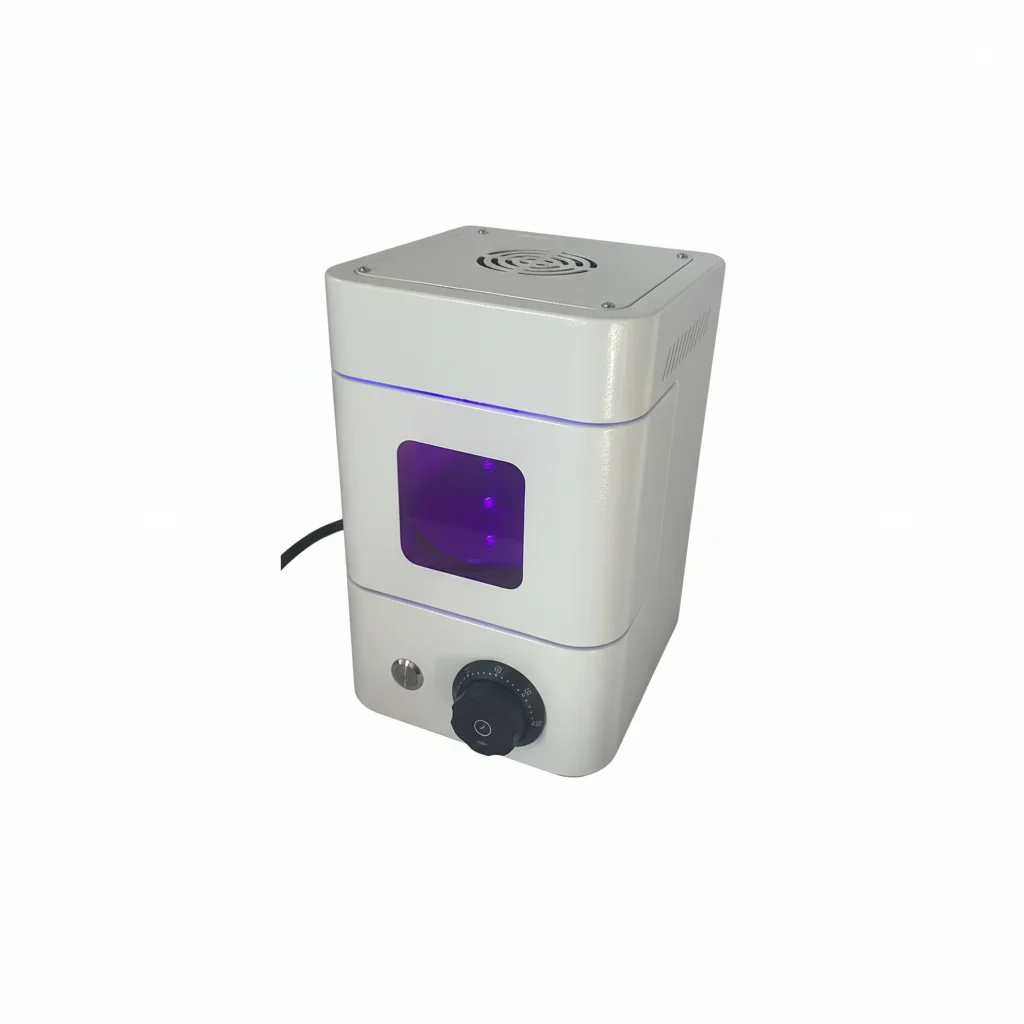
A triple-wavelength laboratorary dental curing light unit mixed with 365nm, 405nm, 460nm that optimized for diverse dental resin from indirect composite to 3D priting resin, offering several advantages in the fabrication of indirect composite restorations:
| Advantage | Description |
|---|---|
| Versatility | Can handle a variety of composite materials, making it a versatile tool. |
| Efficiency | Quick and efficient curing process, reducing turnaround time for restorations. |
| Precision | Ensures uniform curing, leading to better clinical outcomes and durability. |
Integration with Other Tools
While the dental lab curing light unit is crucial, other tools can also enhance the capabilities of a modern dental clinic:
- Surgical Guides: These guides ensure accurate and successful dental implant placements. They are often fabricated using 3D printing technology and cured using the dental lab curing light unit.
- Custom Trays: Custom trays are used to create precise dental models and surgical guides. They are often made from impression materials and cured using the dental lab curing light unit.
- 3D Printing Resin Models: The ability to cure 3D resin models accurately is crucial for creating precise dental models and surgical guides. The dental lab curing light unit ensures that these models are cured properly, providing the necessary accuracy and detail for successful dental procedures.
Conclusion
Investing in advanced dental equipment such as a dental lab curing light unit can transform your dental practice. These tools improve workflow efficiency and enhance the quality of care. A small 3D curing light with triple-wavelength technology is an excellent choice for any dental clinic. Its versatility and compatibility with various materials make it indispensable.
By embracing these technologies, dental offices can provide high-quality, efficient, and precise care, leading to better patient outcomes and a more successful practice. The initial investment in these tools is quickly offset by the time and cost savings they provide, making them a wise choice for any dental practice looking to enhance its capabilities and improve patient satisfaction.